
Vet Clinics: Bringing Dormant Patient Files Back
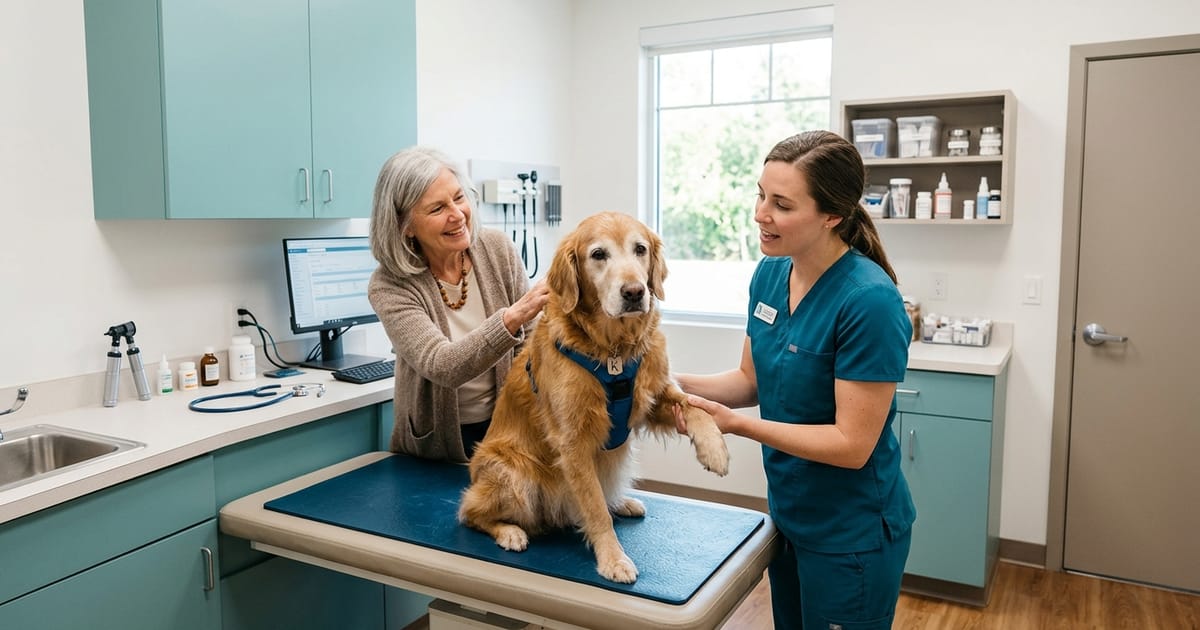
In a veterinary clinic a client almost never leaves. They cancel nothing and file no complaint: they just stop writing, and in the system that looks like a happy client with no reason to get in touch. The difference between the two is one date, the last visit, and that is the date nobody checks. A five-year-old clinic holds thousands of files, hundreds of them silent for over a year, each one behind an animal that has aged since.
A silent file is not a lost file, and the difference is not only commercial
Two groups look identical in a report. The first genuinely left: moved city, moved to a closer clinic, or their animal is no longer alive. Those are gone. The second, far larger, decided nothing: the last visit was a vaccination or a problem that got solved, no follow-up date was set, and eighteen months have passed.
In veterinary work this leak has a second, non-commercial cost. The animal ages faster than the client: a cat last seen at eight is ten now, an age where a blood panel and dental status are follow-up rather than an upsell. A silent file costs more than a visit: it costs the chance to catch a chronic disease while it is still manageable. That makes reactivation operational work, not marketing.
Scope note: answering enquiries 24/7, triage and vaccination reminders are covered in our guide to an AI agent for a veterinary clinic. This is about what happens when nobody writes to you.
The arithmetic: what a reactivated file is worth
Example numbers from a mid-sized clinic, worth running on your own data: 2,000 files opened over the years, some 800 with a visit in the past year, some 350 last seen 14 to 30 months ago. That third group appears on no screen.
Annual revenue from an active animal, across exams, vaccinations, dental work, food and medication, varies widely. Take ₪900 as a conservative assumption. If 12 percent of those 350 silent files return for one visit, that is 42 animals and about ₪38,000 a year, and if half then enter regular follow-up the amount recurs next year. The cost against it is zero media budget and zero new leads, while a new veterinary client who actually shows up costs hundreds of shekels to acquire.
Why nobody in the clinic contacts these files
Every vet knows these animals belong in follow-up. The gap is operational:
- The list does not exist. Visit dates in the practice software, conversations in the clinic WhatsApp, food and medication details in someone's head. No screen says "these are the 350 files that stopped".
- Nobody owns the task. The team handles whoever is in the room or on the phone, and outreach to someone who did not write gets postponed daily.
- The phone is the wrong tool. A call from an unknown number is barely answered, and an owner calling back at six in the evening reaches a busy clinic.
How to reactivate a dormant file without turning into spam
Sequence matters more than wording. The card first: in the WhaleBiz CRM every owner is linked to their animals, and each animal carries species, age, last visit, the reason for it and the treating vet. Once that sits in one place, "silent file" is a filter, not a project.
Then the rules, and the line here is rigid: the vet defines them, not the agent and not WhaleBiz. At setup you decide from what interval outreach starts, which groups are in scope and what may be said. The agent writes in the channel the owner already uses, in their language, names the animal and the last visit, and offers two real open slots. They pick one, it is booked, the card updates. No reply, one further touch and then a stop. Asked to stop, the sequence ends at once and is recorded.
Running it is the job of an AI agent instead of a receptionist: the agent that answers incoming enquiries also sends the proactive message, so when the owner replies the conversation continues instead of becoming a lead to call back.
| Measure | Manual list and phone calls | Blast to the whole client base | AI agent ✓ |
|---|---|---|---|
| Who is on the list | Whoever came to mind | Everyone | Filtered by last visit and species |
| When it goes out | When someone has time | Same day to everyone | On the interval the vet set |
| What the message says | Depends who calls | A generic promotion | The animal name and last visit |
| Closing the appointment | Another call back | Someone must work the reply | Booked inside the chat |
Chronic disease and senior animals: the revenue that lasts years
A dormant file is a one-off opportunity. Chronic follow-up is an asset. A cat with kidney disease, a dog with an underactive thyroid or a large dog with arthritis stay with you for years: blood panels at fixed intervals, weight checks, diet adjustments, prescriptions that get renewed. Annual revenue from such an animal is several times that of a young healthy one.
And this is where the leak is worst. The plan is agreed verbally on the way out, "come back for a blood test in six months", and six months is beyond the horizon of any reminder. The agent holds that interval per animal, as the vet defined it, and reaches out on time with open slots. Renewals work the same way: a request for a prescription diet or repeat medication is logged and moves to a person who approves it. The agent does not approve a prescription, change a dose or suggest a substitute, so it removes friction and not judgement. A clinic that holds follow-up intervals reaches the client before anything feels wrong, a logic we set out in from a simple responder to proactive support.
Want to consult with us?
We can help you choose, build and deploy the perfect AI solution for your business. Leave your details and we'll get back to you.
A report of deterioration: the line the agent does not cross
Proactive outreach produces replies, and not all of them are "when can we come". An owner messaged about a periodic exam may answer that the dog has been limping for a week, or send a photo of a wound. The agent does not diagnose, judge severity, propose treatment or touch drug doses. What it does: recognise a worrying sign against a list the clinic defined, flag the enquiry urgent, hand it to a person within those same seconds through the channel set at setup, and give the owner the clinic's own emergency route, including what to do when it is closed. That list is defined with the vet, because it is a medical decision and not a software vendor's.
There is a data dimension too: treatment history and owner details are personal information, and with one card and role-based permissions you can genuinely answer a deletion request. The same principles apply across private clinics, collected on the AI agent for private clinics page.
Three vets, three calendars: who gets the appointment
In a single-vet clinic the question does not arise. From two or three on, continuity has clinical value: whoever saw the cat six months ago spots a change faster than a first-time examiner. So the card holds the treating vet and the agent offers that calendar first, and with no slot in the relevant window it offers a later one with the same vet or a sooner one with another. The rest keeps the calendar balanced: chronic follow-up returns to its own vet, a vaccination or new enquiry goes to whoever is free, and an urgent case reaches a person rather than the calendar. Full detail is on the AI agent for veterinary clinics page.
What this takes in practice, and on which plan
The entry point is Standard: WhatsApp through the official Meta API, calendar booking, sending images and documents, a monthly AI message quota and the WhaleBiz CRM with analytics and Excel export, setup on the plan's timeline from receipt of your materials. A clinic with three vets and a calendar each, Instagram replies or in-chat payments needs Business. Start does not fit here: no WhatsApp and no calendar booking. Prices exclude VAT, the setup fee is paid in one payment before work starts, and the subscription begins the day the agent goes live. Full detail is on the price list.
Two points matter for reactivation. Follow-ups and automations are unlimited with no trigger meters, which counts when you manage an interval per animal. And what gets counted is agent messages, not incoming ones, while a reply to a voice message, an image or a file counts as one, just like a text reply: frequent here, because owners take pictures. The clinic brings the data: a basic classification of the files and correct last-visit dates.
Frequently asked questions
Who defines what counts as a dormant file, and who does the agent contact? The vet or the clinic manager, at setup: from what interval a file counts as silent, which groups are in scope, and what wording is allowed. The agent only executes: it never shortens a clinical interval to fill an empty calendar and never contacts anyone who asked to stop. Changing a rule is included in the plan's monthly change quota.
What if the animal has died? A message like that could be painful. This case needs deliberate handling, not a footnote. A file marked as closed drops out of every sequence, so mark it the moment the team knows. And if a reply indicates it, the agent stops immediately and hands the conversation to a person. A human response here is not automation.
A dog owner writes that the dog has not eaten for three days. What does the agent do? It does not assess, reassure or speculate about the cause. The enquiry is flagged urgent and reaches a person within those same seconds through the channel defined at setup, and the owner gets the clinic's own emergency route. The agent never diagnoses and never gives medical guidance or a drug dose.
We have three vets. Will the appointment be booked with the vet who knows the animal? Yes, when it is configured that way. The card holds the treating vet and the agent offers that calendar first, and if there is no slot in the relevant window it presents both options. A separate calendar per vet is a Business plan capability.
What does this cost a veterinary clinic? Standard: WhatsApp, calendar booking, a monthly AI message quota and the WhaleBiz CRM. A clinic with a calendar per vet, Instagram or in-chat payments needs Business. Start does not fit: no WhatsApp and no calendar booking. Prices exclude VAT, and the subscription starts the day the agent goes live.

Michael Romm
Michael is the founder and CEO of WhaleBiz, leading business and marketing strategy. An expert in data (SQL, Python) and developing automation and AI solutions for businesses.