
Cut Clinic No-Shows: AI Booking Bot for Private Practices
"No Available Appointments": The Challenge Every Private Clinic Knows
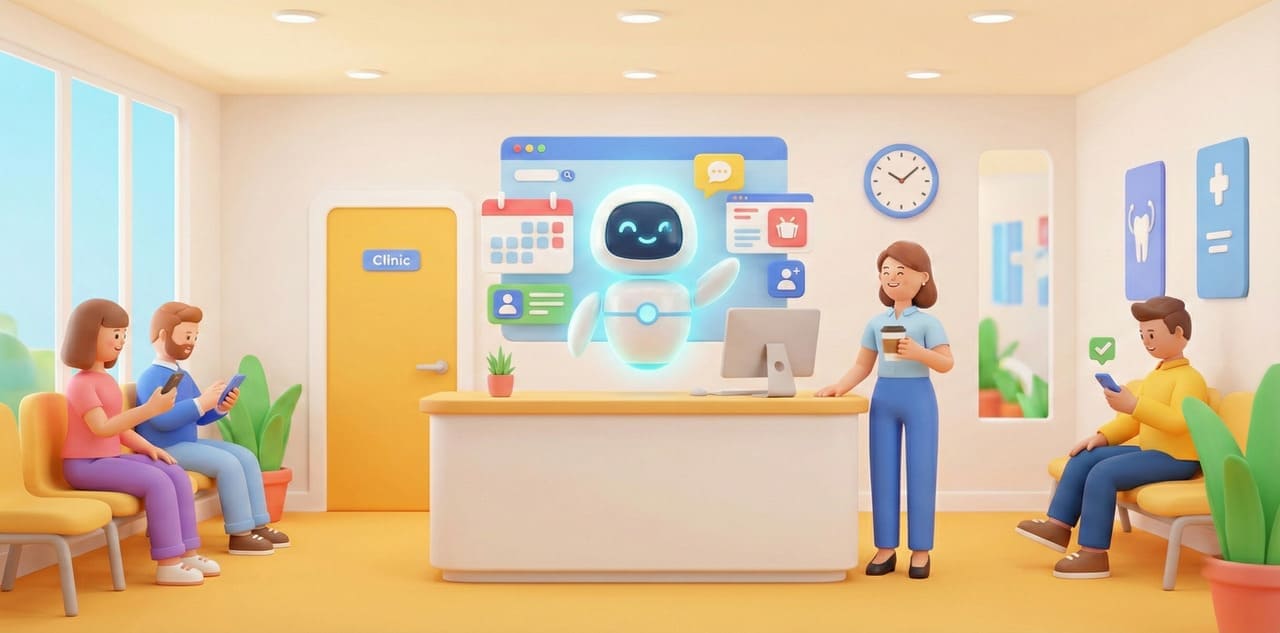
If there's one phrase that clinic managers, especially dental clinics, hear too often, it's "I don't have time to wait on hold" or "When will an appointment open up?". In an era where everything is instant, the patient experience (or in our case, the patient experience) begins long before they meet the doctor. It begins with the first phone call, attempting to schedule an appointment, and searching for information. And here, most clinics still operate with outdated tools.
The Pain of Running a Modern Clinic
Managing a private clinic, whether it's a dental practice, aesthetic clinic, or any other specialty, involves endless juggling:
- Receptionists stretched thin: The phone won't stop ringing, patients are waiting at the desk, and meanwhile you need to manage calendars, send reminders, and handle billing.
- Lost new patients: A potential customer who calls and encounters voicemail or long wait times will simply move to the next competitor on Google.
- Calendar gaps: Last-minute cancellations are a curse. Each "gap" is a direct loss of income.
- Team burnout: Administrative overload drains the team, hurts morale, and prevents them from focusing on what truly matters - quality patient care.
The Solution: A Digital Employee (AI-Assistant) That Never Sleeps
Imagine a new employee at your clinic. They work 24/7, never take vacation, speak every language, and most importantly - they turn every inquiry into a business opportunity. That's exactly what an AI-assistant, or smart bot, offers to your clinic. It's not another generic "chatbot" but a smart system specifically customized for the world of private healthcare.
1. Transforming Your Website and WhatsApp Conversations into an Appointment Machine
When a potential patient lands on your website or sends a WhatsApp message, the smart bot springs into action:
- Always available: The bot responds instantly, at any hour, even in the middle of the night.
- Smart appointment finding: It displays available appointments in real time, by type of treatment requested (dental cleaning, general checkup, implant consultation) and treating doctor.
- Automatic calendar integration: With one click, the appointment is booked directly in the clinic's calendar (compatible with popular clinic management systems).
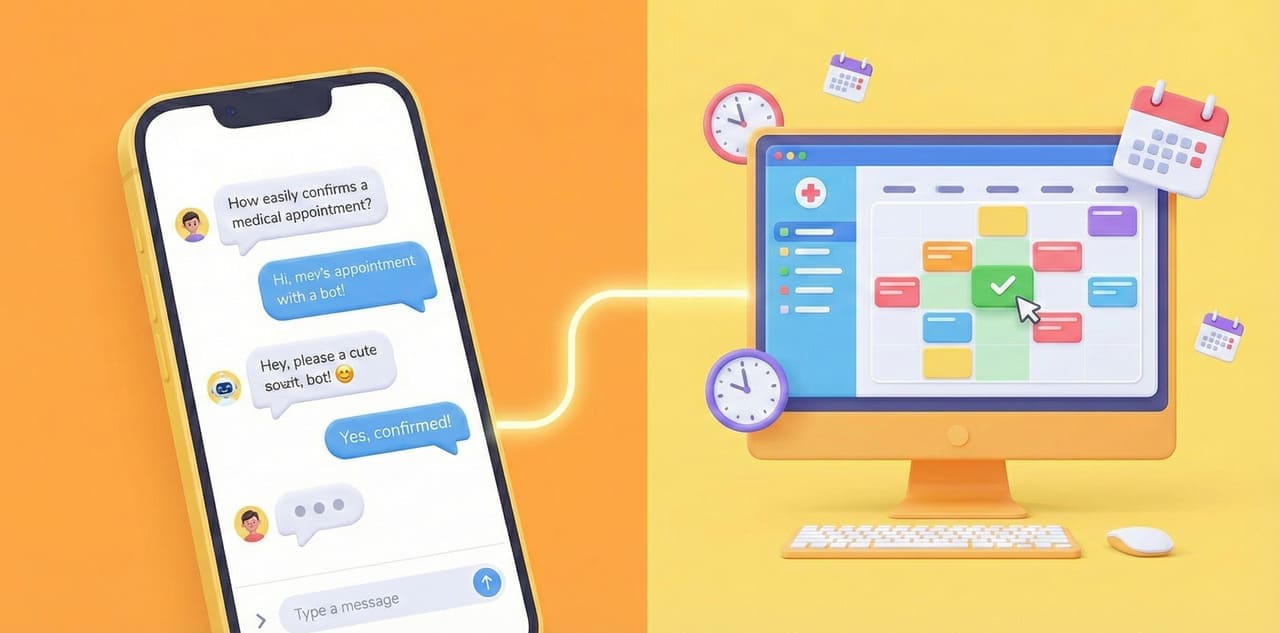
Instead of waiting on hold, patients can book, change, and cancel appointments through a simple conversation with a virtual assistant. The AI can:
- Find available appointments in real time based on patient needs (doctor, time, location).
- Manage waiting lists and proactively notify patients when appointments open up.
- Send automatic reminders before the appointment and reduce the "no-show" phenomenon.
2. Providing Information and Initial Triage
The smart assistant can provide vital information to patients, reducing the load on phone lines:
- Answering FAQs: Business hours, exam preparation, information about doctors.
- Symptom triage: Through a structured series of questions, the bot can assess the urgency of the inquiry and direct the patient to the appropriate resource - emergency room, family doctor, or online consultation.
- Directing to relevant departments and services within the medical facility.
3. Improving Patient Experience and Service Accessibility
The AI makes interactions with the healthcare system simpler and more personalized:
- Test result notifications: The assistant can update patients when test results are available and deliver them securely.
- Form filling assistance: Completing intake forms or medical questionnaires before arriving at the clinic.
- Multilingual support: Providing service in different languages, removing language barriers.
Run a clinic? See WhaleBiz's AI agent for clinics - it answers, screens and books appointments on WhatsApp 24/7, including Hebrew voice notes.
Want to consult with us?
We can help you choose, build and deploy the perfect AI solution for your business. Leave your details and we'll get back to you.
4. Streamlining Internal Processes and Reducing Costs
Beyond patient service, AI assistants streamline critical internal processes:
- Automation of administrative tasks: Data entry, updating medical records, and documenting inquiries.
- Support for medical staff: Providing quick access to medical protocols, medication information, and procedures.
- Data analysis: Identifying patterns and bottlenecks in service processes to improve operational efficiency.
The Future Is Here: Moving Toward Proactive Medicine
The next stage in the evolution of AI in healthcare is the shift from a system that reacts to problems to a system that prevents them. Smart assistants will be able to monitor metrics remotely, encourage treatment compliance, and provide personalized lifestyle recommendations.
Implementing an AI assistant in the healthcare system isn't just a technological upgrade - it's a strategic investment in the future of medicine. It enables you to deliver quality care and greater accessibility, improve patient satisfaction, and return to medical teams the most valuable resource - time to care for patients.
If you want to learn more about how an AI-assistant can upgrade your clinic, contact us today.
Frequently Asked Questions
How does a smart bot help reduce no-shows at a clinic?
The smart assistant sends patients automatic reminders ahead of their appointment and lets them easily reschedule or cancel through a simple conversation. It also manages waiting lists and proactively notifies patients when appointments open up, so every gap in the calendar gets filled again. This reduces the direct revenue loss caused by last-minute cancellations.
What is the symptom triage the smart assistant performs, and where does it direct the patient?
Triage is an initial screening in which the bot asks the patient a structured series of questions to assess how urgent the inquiry is. Based on the answers, it directs the patient to the appropriate resource - emergency room, family doctor, or online consultation. This eases the load on phone lines and gets the patient to the right resource faster.
Does the AI assistant integrate with the clinic's calendar and management system?
Yes. When a patient books an appointment through the website or WhatsApp, the appointment is scheduled automatically and directly in the clinic's calendar with one click, and it is compatible with popular clinic management systems. The bot displays available appointments in real time by the type of treatment requested and the treating doctor. This avoids duplicate data entry and keeps the calendar always up to date.
Beyond patient service, how does an AI assistant streamline the medical team's internal work?
An AI assistant automates administrative tasks such as data entry, updating medical records, and documenting inquiries. It supports the medical team by providing quick access to protocols, medication information, and procedures, and it analyzes data to identify bottlenecks in service processes. This reduces the administrative overload that wears the team down and frees them to focus on quality patient care.

Michael Romm
Michael is the founder and CEO of WhaleBiz, leading business and marketing strategy. An expert in data (SQL, Python) and developing automation and AI solutions for businesses.